


Wooden Blinds for Windows: A Practical Guide for Manchester Homes
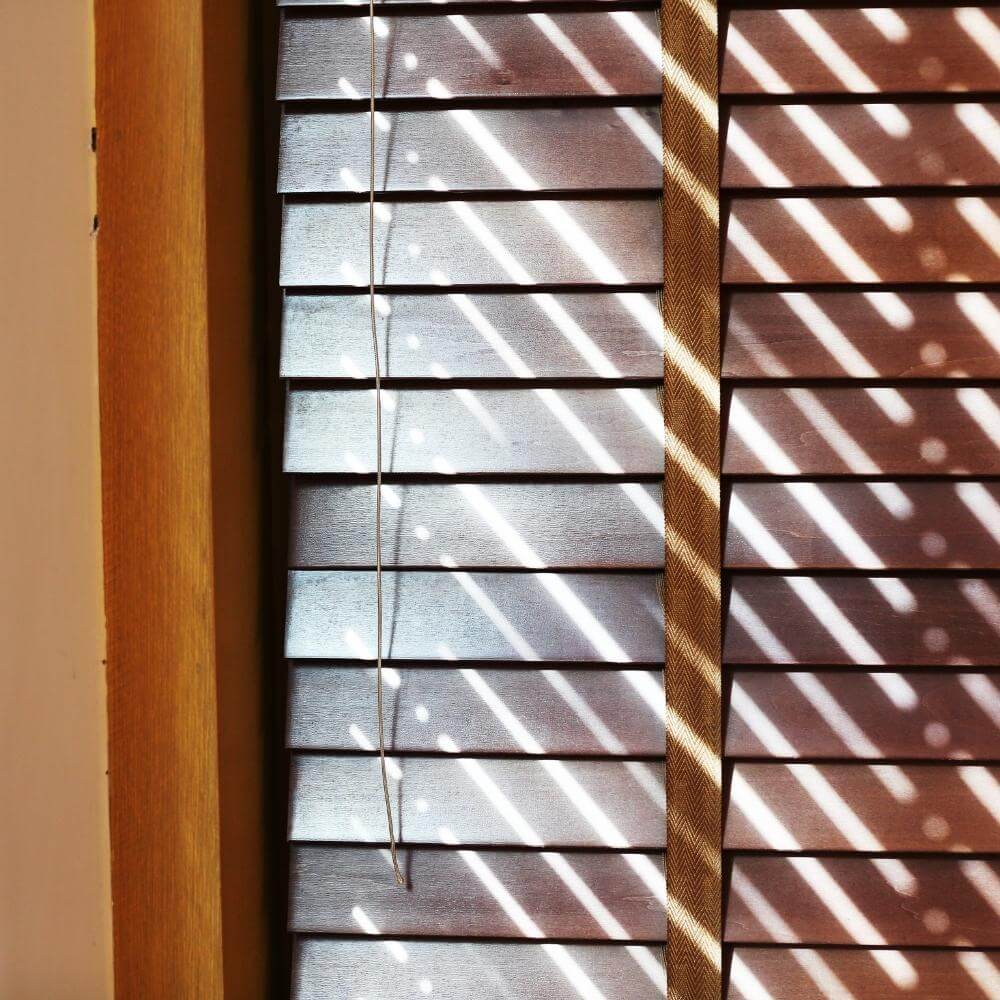
Wooden blinds for windows bring a warmth to a room that no other material quite matches. Real timber has grain, depth, and a natural finish that faux materials only approximate. But wood is also the most demanding blind material to get right, and putting it in the wrong room is the single most common mistake we see.
This guide covers what genuinely matters when choosing wooden blinds for windows, particularly across Greater Manchester, where period housing and a genuinely damp climate both play a real part in the decision.
What Wooden Blinds for Windows Are Actually Made From
Almost every wooden blind on the UK market, ours included, uses basswood. It is the industry standard timber for good reason: light, stable, with a straight, even grain that takes paint and stain well. Heavier hardwoods exist, but basswood remains the sensible choice for genuine day to day use, since it keeps the blind light enough to operate smoothly even on wide windows.
Where Wooden Blinds Work Well
Wooden blinds suit living rooms, bedrooms, dining rooms and studies particularly well. They pair naturally with wood flooring and traditional furniture, and in Manchester’s Victorian and Edwardian terraces, they suit tall sash and bay windows better than almost any other material, since the horizontal slats echo the proportions of the frame rather than fighting them.
They also offer genuine insulation. Wood is a natural thermal barrier, and in older housing stock with single or early double glazing, a wooden blind measurably reduces heat loss through the window compared with a metal or plastic alternative.
Where Wooden Blinds Do Not Belong
Real wood is porous. It draws moisture from the air, and repeated exposure to steam causes the timber to swell, then shrink as it dries, and eventually warp, crack or split at the finish. This is not a manufacturing flaw, it is simply what wood does in a humid environment.
For that reason, we do not recommend real wooden blinds in bathrooms, above kitchen sinks, or in any utility room where condensation is a daily occurrence. If you want the timber look in one of these rooms, faux wood Venetian blinds give you the same appearance in a moisture resistant PVC composite that will not warp, no matter how much steam it sees.
Slat Width and What It Changes
Wooden blinds are typically available in a few standard slat widths, most commonly around 25mm, 35mm and 50mm. Narrower slats give a more detailed, tailored look and suit smaller windows well. Wider slats let in more light when open and tend to suit larger windows and bay fronts, where a narrower slat can look fussy across the full width.
Colours and Finishes
Basswood takes finish well, and the genuine range extends far beyond plain oak. Soft white and off white suit contemporary interiors, while natural and mid oak tones work particularly well in period properties. Darker walnut and mahogany finishes add a more formal, traditional look, which we see requested often in the larger Victorian villas around Didsbury and Chorlton.
Caring for Wooden Blinds
Regular dusting. Close the slats fully, then work down each one with a microfibre cloth or the brush attachment on a vacuum. This alone prevents most of the dust buildup that dulls a finish over time.
A damp cloth, not a wet one. For a deeper clean, lightly dampen a cloth rather than soaking it, wipe, and dry immediately. Standing water on a slat is exactly what causes the swelling and warping we mentioned above.
No harsh chemicals. Avoid ammonia based or abrasive cleaners, which strip the finish and leave the timber exposed underneath.
Wooden Blinds and Child Safety
All blinds sold in the UK must meet cord safety regulations, including tensioners or breakaway devices where a cord is used. For a child’s bedroom or a home with young children generally, we would recommend a cordless system regardless of material. The RoSPA guidance on blind cord safety is worth reading if this applies to your household.
Wooden Blinds or Plantation Shutters?
If you like the look of wood but want something more permanent, plantation shutters are the natural next step up. They offer similar warmth and insulation, sit fixed within the frame rather than hanging from a headrail, and tend to add more to a property’s value over time. Wooden blinds remain the more affordable, flexible choice for most rooms, and can always be added to first before considering shutters later.
Book a Free Home Consultation
We bring genuine timber samples to your home so you can see the actual grain and finish in your own light before ordering anything. Every measure is done by us directly, and every blind is fitted by our own team.
We cover Manchester and Greater Manchester, including Middleton, Oldham, Didsbury and Chorlton.
Call 01617062233 for a free, no obligation quote, or browse our full range of Venetian blinds.